

Smart Rings vs Fitness Trackers: Which Is Better for UK Runners?
A smart ring slips onto your finger and quietly logs sleep, heart rate and recovery. A fitness tracker straps to your wrist and tells you your pace at every kilometre. Both promise to make you a better runner, and both cost real money. The honest answer to which is better depends far less on the hardware than on the running you actually do — the Saturday parkrun, the Tuesday intervals, the long Sunday plod along a canal towpath. Here's how they compare on the things that matter once the novelty wears off.
What you're really buying
Smart rings — from Oura, Ultrahuman, Samsung and a growing handful of others — are built around a small optical sensor that shines light through the skin of your finger. The finger is a good place to read a pulse at rest, which is why rings tend to be excellent at sleep tracking, resting heart rate, heart rate variability and skin temperature trends.
What most rings don't have is GPS. Take one for a run and it will either lean on your phone to record the route or estimate distance from movement, which is rough at best. That single omission shapes everything else.
Fitness trackers and watches
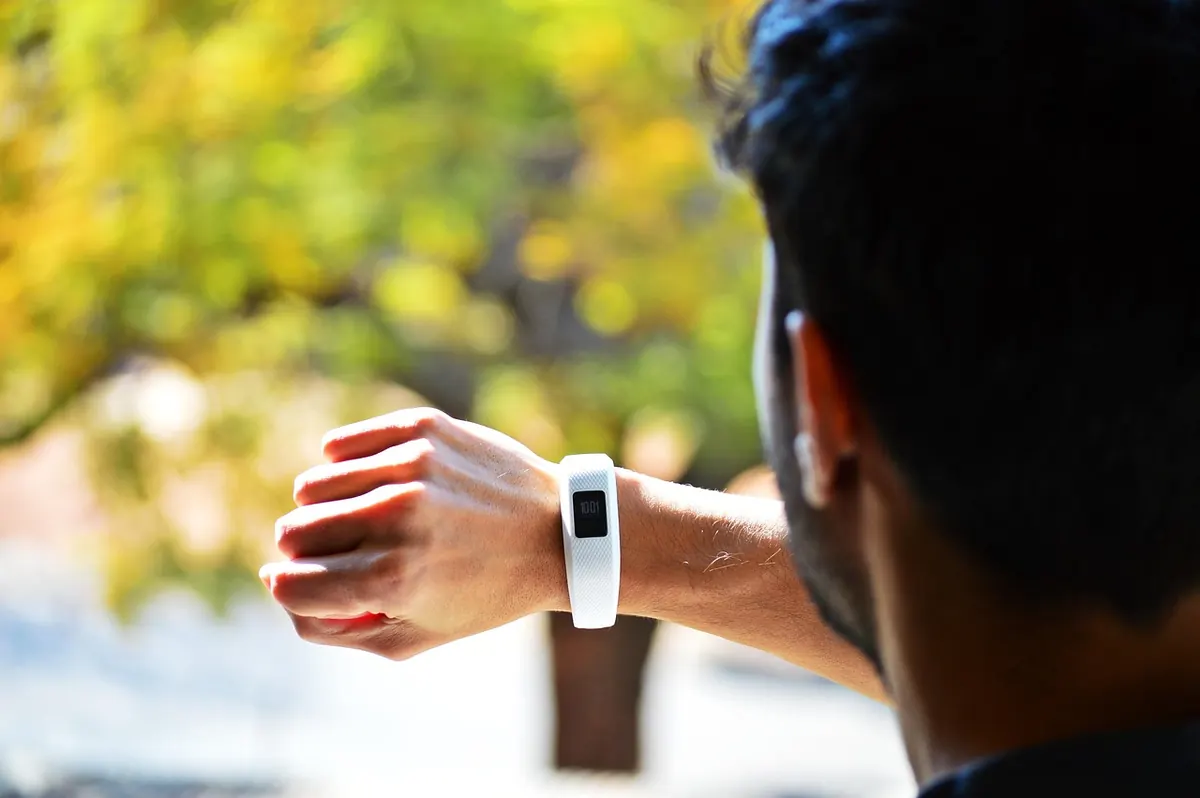
Trackers cover a wide spread. Slim bands from Fitbit and Garmin focus on steps, sleep and heart rate with multi-day battery life. Full running watches from Garmin, Polar, Coros, Suunto and Apple add GPS, a screen, physical buttons and structured workouts. Some charge weekly, some need a nightly top-up.
The practical difference comes down to a short list:
- GPS: standard on nearly every running watch, effectively absent from rings.
- Live feedback: screens, vibration alerts and lap splits on a watch; nothing mid-run from a ring.
- Sleep and recovery detail: rings often lead here, and do it without a screen lighting up your bedroom.
- Structured sessions: intervals, warm-up and cool-down guidance, and pace targets are watch territory.
- Everyday wear: a ring is the one you forget you're wearing.
Accuracy: good enough, with real limits
Optical heart rate sensors have improved hugely, but wrist readings still struggle with cold hands, tattoos, a loose strap and sudden changes in effort — precisely the conditions of a hill sprint in February. A chest strap remains the reference point for anyone doing serious interval work.
Rings face the same physics with a different set of problems. At rest, a finger gives a strong signal. During a run, your hand swings, you clench your fist on a climb, and the sensor fights for a clean read. Many rings either pause automatic detection during exercise or report an average over a longer window, which is fine for easy miles and unhelpful for a 400m repeat session.
Distance is a separate question. It depends on GPS, not on the sensor, so a ring paired to a phone in a city centre full of tall buildings will look worse than a watch with modern multi-band GPS. Don't judge the two devices on that alone.
One sensible note: wearables are lifestyle tools, not diagnostic ones. If you're noticing palpitations, breathlessness, chest pain or a resting heart rate that worries you, see your GP rather than trusting an app's readiness score.
Battery life: the trade you didn't notice you were making
Rings generally last most of a week or more, because there's no screen and no GPS draining the cell. Watches vary enormously. A slim fitness band might run several days. Many Garmin models last a week or two between charges. An Apple Watch is broadly a daily charge, and always has been.
The catch with rings is charging time. Taking a ring off for an hour means losing an hour of the sleep and recovery data you bought it for, so most owners top up while showering or eating breakfast. Watches are easier — many runners charge them during the working day and wear them overnight.
Whichever you choose, charge on a fixed schedule. Gaps in data mid-week make trends look stranger than they are, and a half-charged device that dies at 5am tells you nothing about your morning.
Comfort, fit and British weather
Comfort is the ring's strongest card. No strap, no chafing, no damp band pressed against your wrist for two hours. But fit matters more than most buyers expect. Fingers swell and shrink with temperature, hydration and time of day. A ring sized in a warm kitchen can spin loose on a frosty morning in Sheffield, and a loose ring reads poorly. Sized tightly for winter, it may feel uncomfortable in August.
Use the sizing kit if one is offered, and size for the finger you'll wear overnight — usually the index finger, which tends to be less affected by swelling than the ring finger. Also think about grip sports: rowing, climbing, kettlebells and heavy deadlifts can all feel awkward with metal between your fingers. Check the water resistance rating before swimming, too, rather than assuming.
On the wrist, the usual complaints are sweat rash, strap odour and reactions to nickel in cheap buckles. A nylon or fabric strap usually solves all three, and a watch is far easier to glance at when your hands are wet and your glasses are fogged.
Value for money over the long haul
Rings sit at the premium end of the market, and some makers charge a monthly subscription for the full set of insights while others include everything up front. That difference matters: a subscription can, over three years, approach the price of a second device. Check the terms before you buy, not after.
Other things worth weighing:
- Longevity: ring batteries aren't user-replaceable and the sealed design limits repair options.
- Resale: sizing makes rings hard to sell on; watches hold value better.
- Data export: if you change brands later, can you take your history with you?
- Features you'll actually use: if you want pace, distance and a heart rate graph, a mid-range watch or a phone app with a chest strap covers it for less.
How to decide, in practice
Work through these questions honestly and the answer usually appears on its own:
- Do you need GPS on your wrist, or is carrying a phone acceptable?
- Do you run intervals or race by pace? If so, a watch wins outright.
- Is sleep and recovery the part you're genuinely curious about? A ring does that better.
- Will you actually wear a ring overnight, every night, including in a cold snap?
- What's the total cost over three years, subscriptions included?
If you want one device and you run outdoors regularly, a watch is the safer purchase: pace, distance and a screen without reaching for your phone. If you already own a watch you like, or you can't stand anything on your wrist, a ring makes a sensible second device for the other 23 hours. Plenty of runners end up with both, splitting the job between them. That isn't indecision — it's matching the tool to the task.
One last thing. No wearable will out-train a bad week or replace a sensible plan. Use the numbers to spot patterns over months, not to panic about a single poor sleep score on a Thursday.
Photo: FitNishMedia / Pixabay